

Stewardship in a family business is a shared psychological contract, not a title on an organization chart. It means treating the enterprise as a trust to be protected and grown for future generations, rather than a personal asset to be consumed. Because it is a mindset and not a role,…
Browsing CategoryIndustry

Governance and the Role of Independent Directors in Family Businesses Boards
No organization excels without effective leaders. Leaders help the organization develop a clear set of values, purpose and meaning. They identify an inspiring vision and set direction for the future. They build a culture and community that supports and strengthens the rapid development and implementation of practical strategies. In family…
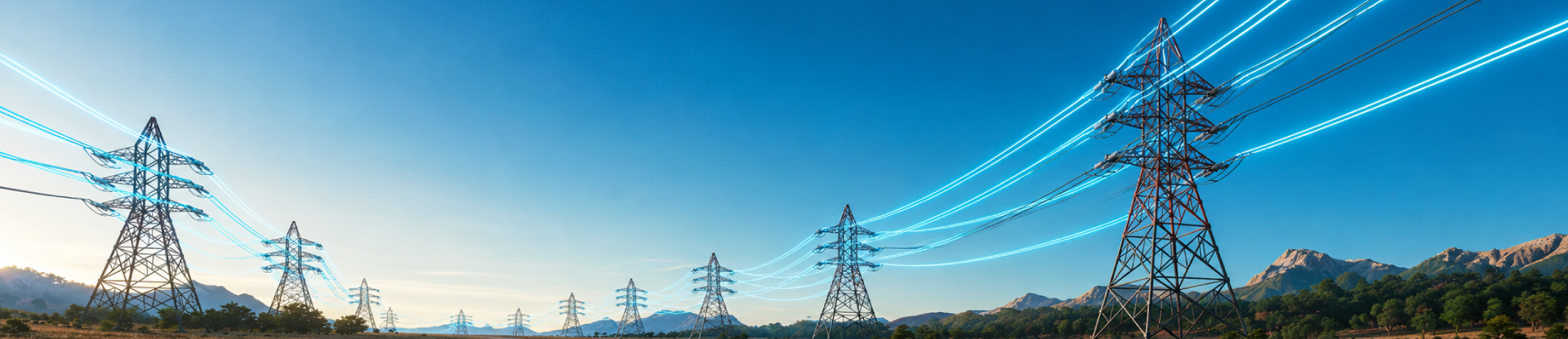
Towards a Globally Competitive Indian Transmission Line Industry
From the cars on the street to the lights that light up a small town, nothing can be achieved without access to reliable, secure and sustainable energy. India’s aspirations for the future, well-being for its workers and its transition towards renewable energy rest on this very sector. That is why…
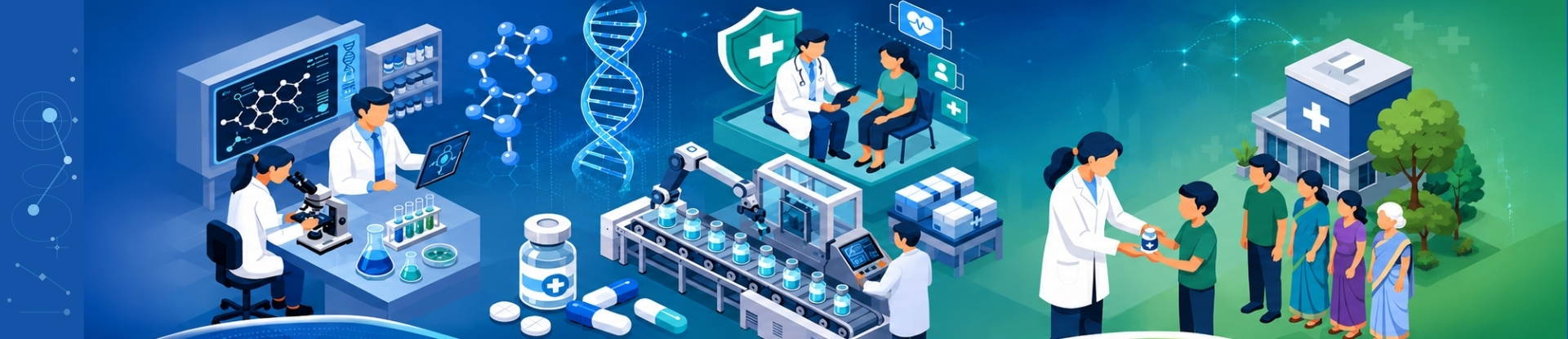
The Future of Pharma: Patient-Centric, Equity-Driven and Innovation-Led
India’s Pharma Sector: Advancing Innovation, Access and Resilience India’s pharmaceutical sector is entering a phase where generics strength alone will not define competitiveness. Precision medicine and genomics, rising demand for rare disease therapies, artificial intelligence, and the need for resilient supply chains are reshaping the global healthcare landscape. For India,…

The CII Global Leadership Centre: Building Leaders for the Future
The defining challenges of the 21st century do not fit neatly within organizational, sectoral or national boundaries. Climate change, technological disruption, public health challenges, geopolitical uncertainty and the transformation brought about by artificial intelligence are reshaping the way societies, businesses and governments operate. For India, this moment presents both an…

Securing India’s Energy Future: The Role of Domestic Upstream Oil & Gas in Reducing Import Dependence
India’s energy security challenge is, at its root, an arithmetic one. The country’s crude oil import dependence crossed 90 per cent in FY26, per Petroleum Planning and Analysis Cell data, with the full-year crude import bill at roughly US$121.8 billion. Domestic crude production has moved the wrong way over the…

How TReDS Is Reshaping Working Capital for MSMEs
Delayed payments remain a persistent challenge for the growth of India’s micro, small and medium enterprises (MSMEs). For enterprises operating with limited working capital, payment delays can lock up funds that could otherwise support production, hiring, and business expansion. More than 92.8 Mn enterprises are currently registered on the Udyam…
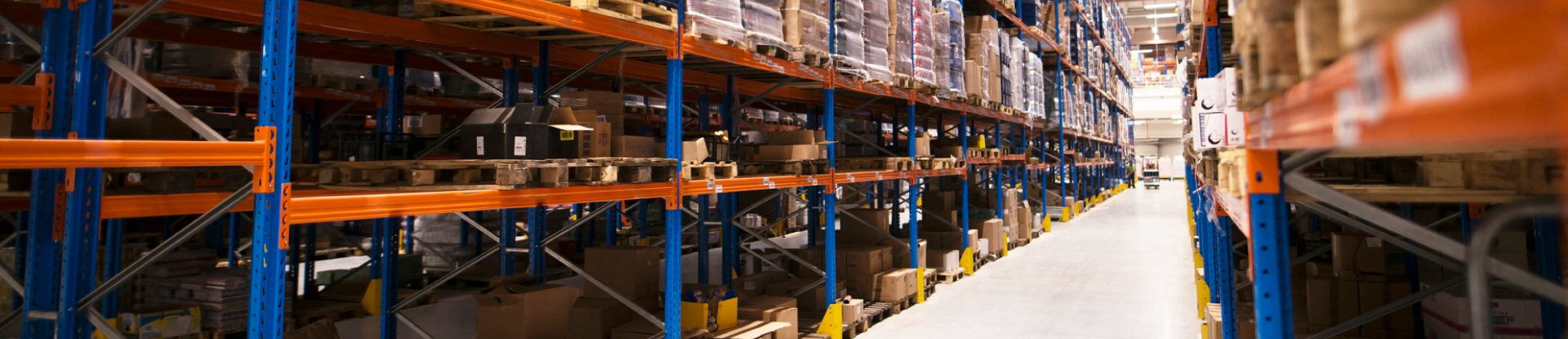
Warehousing as the New Infrastructure
How India Is Rebuilding Storage as a Core Layer of the Logistics Network Warehousing has historically developed alongside factories and highways rather than as a distinct layer of India’s infrastructure. That is now changing, as storage is becoming increasingly integrated into the country’s logistics network. A study by the Department…
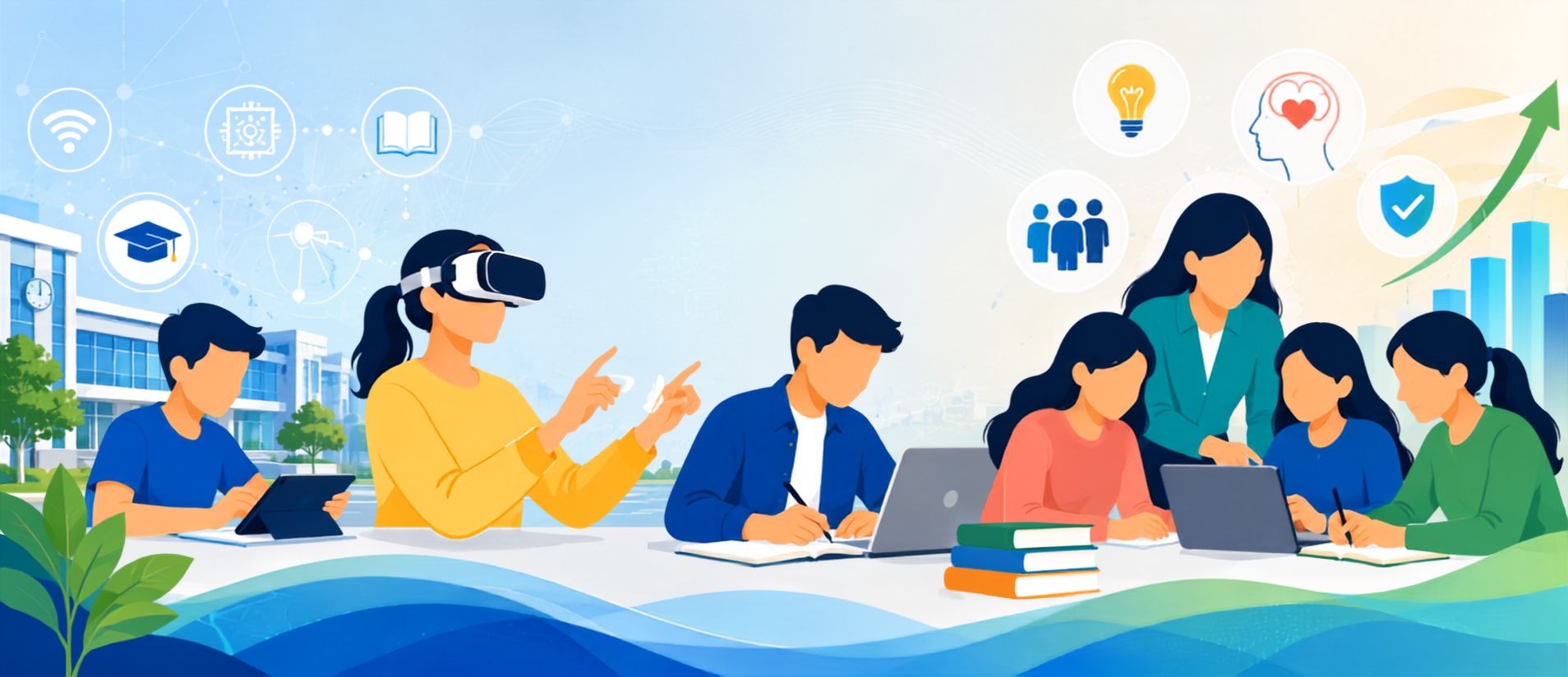
Future of Education: Technology, Skills, Well-being and Resilience
The future of education will not be shaped by technology alone. The collective outcome will depend on how effectively educators, schools, policymakers, and industry work together to prepare learners for a rapidly changing world. As classrooms evolve, the expectations of education do too. Artificial Intelligence (AI) and emerging technologies are…
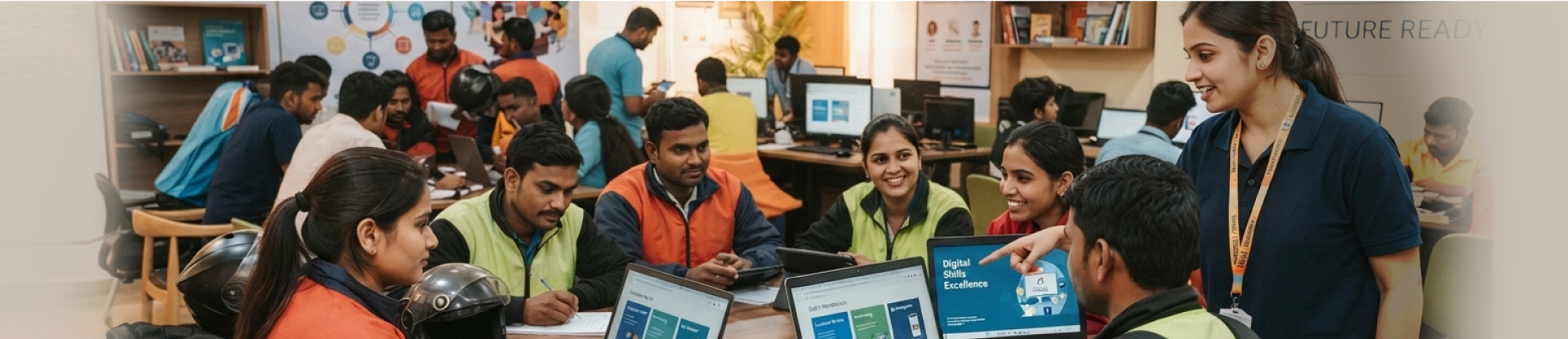
Skilling India’s Gig Workers: Policy Gaps and Industry’s Role
India’s gig and platform economy is expanding rapidly, creating new employment opportunities across a range of skill levels. Young demographics, increasing digital adoption, and urbanization are supporting the growth of this segment. India’s gig workforce is projected to increase from 7.7 million in 2020–21 to 23.5 million by 2029–30. According…