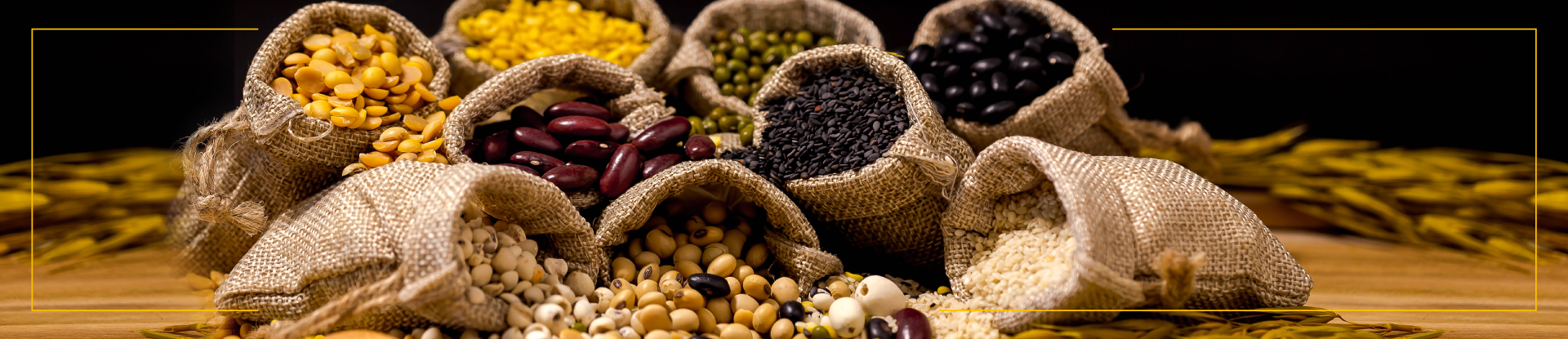
Pulses occupy a central position in India’s agricultural and food system. They are a key source of protein for a large section of the population and play an important role in maintaining soil health and crop sustainability. Despite being one of the world’s largest producers and consumers of pulses, India has historically faced gaps between domestic demand and supply. Addressing this imbalance has remained a long-standing policy and industry priority.
Achieving Aatmanirbharta in pulses is an important agricultural objective, as well as a critical economic and nutritional imperative. It requires a sustained focus on productivity, market stability and value chain efficiency rather than short-term supply interventions.
Demand Growth and Structural Constraints
India’s demand for pulses has grown steadily with population expansion and changing consumption patterns. At the same time, production growth has often lagged due to structural constraints. Pulses are largely cultivated under rainfed conditions, with limited irrigation coverage and relatively low adoption of modern inputs. Yield levels in many pulse-growing regions remain below their potential, leading to periodic supply tightness.
The Annual Report of the Ministry of Agriculture and Farmers Welfare 2024–25 highlights that pulses continue to be vulnerable to climatic variability, particularly rainfall fluctuations. While acreage under pulses has expanded in recent years, yield stability remains uneven across crops and regions. These factors have historically contributed to price volatility and import dependence.
Progress Towards Self-Reliance
Over the past decade, focused interventions across seed development, procurement mechanisms and price support have begun to improve domestic pulses availability. Government policy has increasingly emphasised boosting domestic production through targeted missions, improved market access and risk mitigation measures.
A recent Press Information Bureau release notes that India has made significant progress in reducing its dependence on pulses imports through higher domestic production, supported by improved procurement and buffer stocking strategies. This progress reflects a broader shift towards building resilient agricultural value chains rather than relying on global markets for essential food commodities.
The same PIB release also notes the launch of the Mission for Aatmanirbharta in Pulses for the period 2025 to 2031. The Mission aims to enhance domestic production of key pulse crops through region-specific strategies, improved seed availability and better farm practices. While the Mission provides policy direction, its effectiveness will depend on coordinated implementation across states, research institutions and market systems.
Market Stability and Value Chain Integration
Aatmanirbharta in pulses also depends on stable and transparent markets. Price volatility has historically discouraged farmers from expanding pulses cultivation. Strengthening procurement operations, improving storage capacity and reducing post-harvest losses are therefore critical to sustaining farmer participation.
The Economic Survey 2024-2025 has underlined the importance of efficient supply chains and market reforms in ensuring remunerative prices while maintaining consumer affordability. Improved integration between production clusters, mandis, processors and retail channels remains central to this objective.
Industry Collaboration and Strategic Interventions
Industry-led research and policy engagement continue to play a vital role in addressing systemic constraints in the pulses ecosystem. The CII Expert Group on Pulses, in its report Overcoming the Pulses Crisis: Key Interventions Recommended, identifies targeted measures such as region-specific strategies, yield enhancement through research and development, modernisation of dal milling infrastructure, and stronger public–private collaboration across the value chain.
The report underscores that addressing pulses availability requires a coordinated, mission-oriented approach encompassing production, processing, logistics and market linkages. Such interventions remain relevant as India works to consolidate recent production gains and build long-term resilience.
Towards a Resilient Pulses Ecosystem
Looking ahead, sustaining self-reliance in pulses will require continued focus on productivity enhancement, climate-resilient practices and market stability. Strengthening data-driven decision-making, encouraging innovation in farm practices and ensuring policy predictability will be essential to maintaining farmer confidence and industry investment.
Aatmanirbharta in pulses is therefore best viewed as an evolving process rather than a fixed milestone. By aligning agricultural policy, industry participation and technology adoption, India can move closer to securing its protein needs while supporting farmer incomes and environmental sustainability.
With stronger domestic capabilities across the pulses value chain, the sector is better placed to support national food security and economic stability.