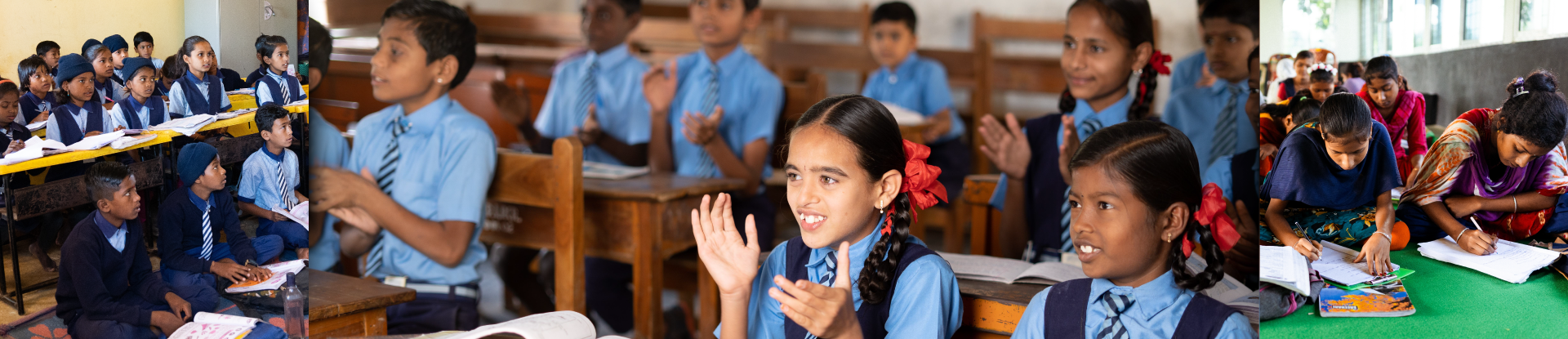
Ever since India’s independence, education has been a key priority for national development as it is a key driver of inclusive growth and long-term competitiveness. Recognizing this, corporations have placed education at the forefront of their social responsibility initiatives, acknowledging its vital role in societal development. Within the CSR framework, education has consistently emerged as the largest focus area for corporate spending. Over time, the nature of CSR interventions in education has broadened from school infrastructure, scholarships, and sanitation facilities to addressing learning outcomes, teacher development, digital inclusion, and vocational skills. Increasingly, large companies are implementing education projects through their dedicated foundations using structured monitoring frameworks and external evaluations. These trends indicate a gradual shift from one-time charity projects to impact-driven programmatic approaches.
Current State of CSR Activities in Education
A recent research by the Confederation of Indian Industries (CII) has presented a comprehensive view of the current state of education-focused CSR in India and outlined pathways for strengthening its impact and alignment with national education goals. Its key findings include:
- Majority of organizations, around 60%, fund initiatives that span across all education levels, from early childhood education to vocational training, reflecting an integrated approach to education CSR.
- Geographically, CSR investments are largely rural-oriented, signifying a strong alignment with national inclusion goals and the need to strengthen rural schooling infrastructure.
- CSR projects in education are implemented predominantly through partnerships with NGOs and specialized implementing agencies, as it enables corporates to leverage field-level expertise, ensure last-mile delivery, and manage projects across diverse geographies.
- The majority of organizations, nearly 90%, reported positive year-on-year growth in CSR expenditures on education, signaling a sustained priority within overall CSR portfolios.
- From a performance standpoint, corporates expressed high confidence that CSR programs have improved learning outcomes, digital access, and inclusivity, but showed moderate confidence in sustainability, influencing education policy or achieving systemic change.
- Several respondents highlighted scaling programs and teacher development as key areas of measurable improvement, while others reported digital adoption as a catalyst for equity and reach, particularly in rural and low-resource schools. These insights indicate that corporations are not only expanding reach, but also embedding quality and accountability metrics into their education initiatives.
- The most common challenge identified by corporates is sustaining impact beyond the project cycle. Many organizations find it difficult to ensure continuity once CSR funding ends, especially in rural or government-dependent schools.
- They also reported shared challenges, such availability of skilled educators, and maintaining consistent M&E frameworks across partners.
Recommendations
The report also made certain recommendations, such as shifting to multi-year CSR commitments for deeper engagement and better management of delivery challenges. It also encourages corporates to build exit strategies early and include maintenance plans, capacity building, and hand-holding to avoid project discontinuation. Building local capacity with teachers, government officials, facilitators and volunteers is also critical to overcome challenges of limited manpower, resource shortage and challenges of remoteness.
Corporates should adopt structured implementation plans with clear milestones, accountability frameworks, and periodic reviews to ensure timely execution
Additionally, aligning CSR programs with NEP 2020 and Samagra Shiksha can help promote relevant and system-level integration.
Way Forward
Since the formation of CSR under the Companies Act 2013, corporates have increasingly viewed education not only as a social mandate but as an investment in human capital development and national progress. According to the report, CSR in education has moved from philanthropy to purpose-driven, outcome-oriented engagement. This sector is now poised for its next phase, one marked by greater scale, stronger standardization, and deeper alignment with national priorities.
CSR can play a pivotal role in strengthening educational quality, equity, and continuity, contributing to more resilient institutions and sustainable learning ecosystems across the country.