

India has emerged as a symbol of growth and resilience at a time when the global economy is navigating unprecedented challenges. Geopolitical tensions, economic fragmentation, increasing protectionism, and the weaponisation of trade are reshaping the contours of international commerce. At the same time, climate change, resource constraints, and technological disruptions…
Posts Written ByCII Team .

BUILDING A VIKSIT BHARAT
The Indian economy is expected to grow between 6.4 and 6.7 per cent in FY26, according to the estimates of the CII Growth Model. Thus, India is likely to remain the world’s fastest growing big economy this year as well. This is an indicator of our country’s remarkable resilience amid…
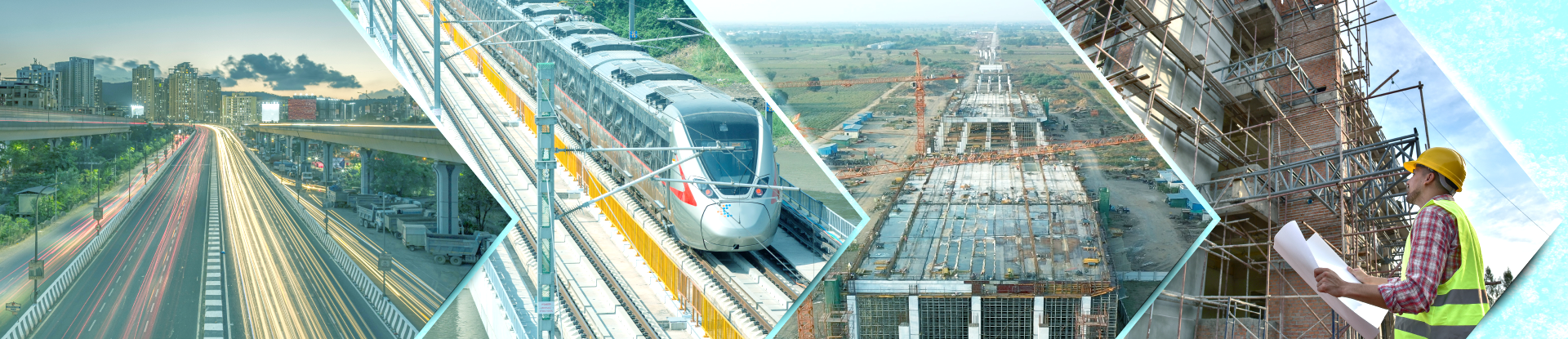
PM Gati Shakti and the Road to Atmanirbhar Bharat
Launched on 13 October 2021, PM Gati Shakti – National Master Plan (NMP) has transformed how India plans and executes infrastructure. Conceived as a revolutionary whole-of-government platform, it integrates multiple ministries, departments, and states into a single geospatial and data-driven planning ecosystem bringing speed, synergy, and sustainability to infrastructure development…

Hyper Automation: Reshaping Businesses
With a major shift in perception towards technology across businesses and consumers globally, there is a significant need to streamline the ways of working along with interoperability of technological innovations. Technology today is not only aiding platform integration and communications, but also providing a new level of intelligence. The year…
India-UAE economic partnership drives growth with rising trade and strategic investments
India and the United Arab Emirates (UAE) are demonstrating how a high-trust relationship can translate into high-impact outcomes. The Comprehensive Economic Partnership Agreement (CEPA), signed in 2022, has not remained a document of intent; it has become an engine for growth. During CII’s high-powered CEOs Delegation to the UAE on…
World Tourism Day 2025: A Sustainable Transformation
World Tourism Day has been celebrated on September 27, every year since 1980. This date was chosen in 1970 when the Statues of the United Nations World Tourism Organization were adopted. These statues form a milestone in global tourism as it focuses on the promotion and development of tourism for…
Getting GST 2.0 To Run Like A Well-Oiled Machine
The clearance by the Goods and Sales Tax (GST) Council at the 56th GST Council meeting on September 3, 2025 of the GST reforms has transformed India’s indirect tax framework. As this writer engages with industry leaders, both big and small, the more I realise the depth of this change,…

India as an Advancing- Emerging Pharma Hub
India is all set to drive affordable innovative healthcare solutions for the global world. India, being home to the world’s largest population and a rapidly growing economy, has seen a significant rise in domestic demand for affordable and innovative healthcare solutions. To ensure sustainable growth of the MedTech sector, the…

Building Trust Between Industry, Government, and Civil Society
Trust and governance is fundamental to a country’s growth, enabling an environment where businesses can thrive. There is no alternative to building and strengthening trust. Thus, businesses, government, and individuals need to work together with each other to understand the challenges leading to a trust deficit and address these issues. …
Vibrant Capital Market: Catalyst for Growth for SMEs
India’s capital markets are booming, and has become a powerful engine for economic growth by turning household savings into investments. Even during global tensions and domestic uncertainties, the stock market outperformed many other emerging economies, showing how investors, both local and global, trust India’s growth story. The number of retail…