

How India Is Rebuilding Storage as a Core Layer of the Logistics Network Warehousing has historically developed alongside factories and highways rather than as a distinct layer of India’s infrastructure. That is now changing, as storage is becoming increasingly integrated into the country’s logistics network. A study by the Department…
Posts Written ByCII Team .

Future of Education: Technology, Skills, Well-being and Resilience
The future of education will not be shaped by technology alone. The collective outcome will depend on how effectively educators, schools, policymakers, and industry work together to prepare learners for a rapidly changing world. As classrooms evolve, the expectations of education do too. Artificial Intelligence (AI) and emerging technologies are…

Sport as a Tool for Community Development and Industry Engagement
Sports are no longer viewed as a leisure activity but as a low-cost, high-impact tool for broader social and economic change. Today, success in sport is not just measured by medals but rests on five key outcomes: physical well-being, mental well-being, individual development, social and community development, and economic development.…
Whales: Giants of the Ocean
Whales: Giants of the Ocean Whales are among the largest and most remarkable animals on Earth. These marine mammals live in oceans around the world, from warm tropical waters to the cold seas surrounding the poles. Life Beneath the Surface Although whales spend their lives in water, they breathe air…
Whales: Giants of the Ocean
Whales: Giants of the Ocean Whales are among the largest and most remarkable animals on Earth. These marine mammals live in oceans around the world, from warm tropical waters to the cold seas surrounding the poles. Life Beneath the Surface Although whales spend their lives in water, they breathe air…

Match AI models to workloads, not leaderboards
The Artificial Intelligence (AI) industry has remained fixated on model rankings. A new release claims the top of some leaderboard almost every week. Until recently, most enterprises simply chose the strongest available model and consumed it through managed APIs from the frontier labs. That decision is no longer straightforward. What…
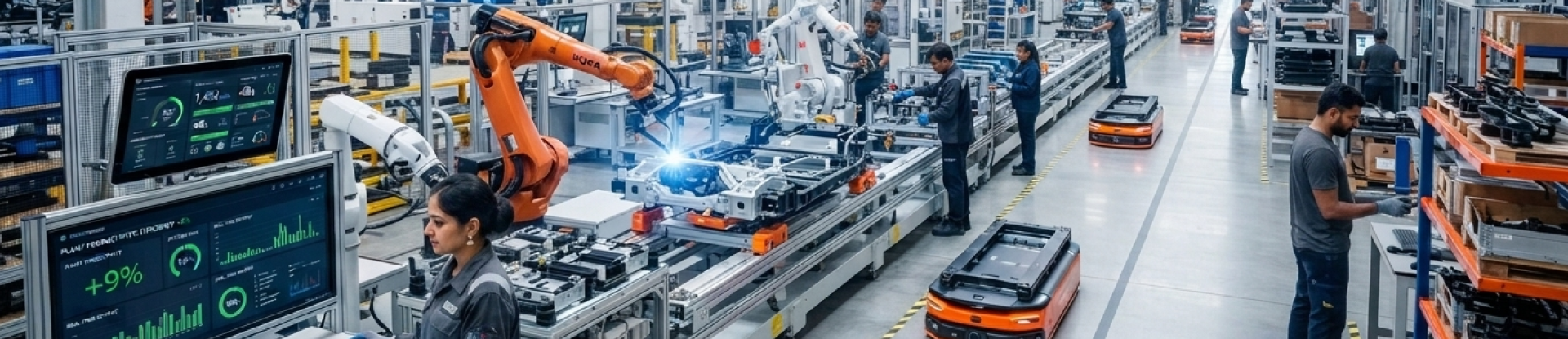
Productivity: The engine of manufacturing growth
For the past decade, India’s manufacturing story has been about scale—bigger factories, higher investments, and expanded output. This capacity creation has been real and consequential. Yet the next phase of industrial expansion cannot rely on size alone. It must be powered by productivity—the value we draw from every unit of…

Skilling India’s Gig Workers: Policy Gaps and Industry’s Role
India’s gig and platform economy is expanding rapidly, creating new employment opportunities across a range of skill levels. Young demographics, increasing digital adoption, and urbanization are supporting the growth of this segment. India’s gig workforce is projected to increase from 7.7 million in 2020–21 to 23.5 million by 2029–30. According…
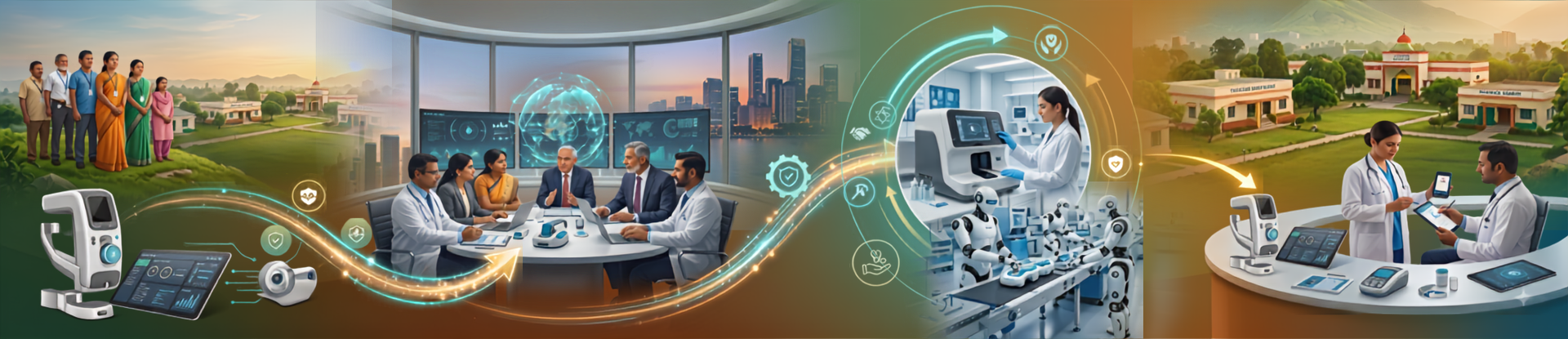
MedTech for All: Driving Accessible, Affordable & Quality Healthcare
India’s MedTech industry is expanding its role in both domestic healthcare and global markets. It is valued at approximately USD 16 Bn, close to 2% of the global market, worth around USD 680 Bn. The opportunity in the Indian MedTech sector to serve growing domestic and international demand, leverage inherent…

India’s Data Center Revolution: Fuelling Infrastructure Transformation
Data centers have emerged as India’s fastest-growing commercial real estate segment, backed by strong pipelines fuelled by 5G, AI, cloud adoption, and data localization mandates. India’s data center market has crossed 10 gigawatts in total capacity, of which 1.4 gigawatts is operational. This means that the live capacity could expand…