

Creativity at the Centre of Economic Power The global economy is undergoing a fundamental shift. Today, value is no longer driven solely by physical production but increasingly by creativity, intellectual property, and digital platforms. Ideas travel faster than goods, and cultural influence now plays a critical role in shaping economic…
Search Results For“ai”
Fostering India-Japan Ties
The India-Japan relationship has significantly matured. Over time, it has evolved from a standard bilateral partnership to a Special Strategic and Global Partnership. With Japanese Prime Minister Sanae Takaichi on a visit to India, understanding the nuances of this bilateral partnership is more crucial than ever. A significant aspect of…

From Grassroots to Growth: Building an Inclusive India Through Local Innovation
India’s greatest strength lies in its grassroots communities, where local innovators continue to address everyday challenges through indigenous knowledge, traditional skills, and practical, need-based solutions. Spread across rural villages, small towns, and Tier-2 and Tier-3 cities, these innovators possess immense potential to generate livelihoods, strengthen local economies, and drive inclusive…
India’s Trade Diplomacy Rewriting Its Place in the Global Economy
Today, the global economic order is undergoing a profound change. We are moving from the era of hyper-globalization, characterized by deeply integrated supply chains and borderless trades, to a more fragmented landscape defined by strategic partnerships, economic security concerns, and a regional framework. Amid this shift, India has now emerged…
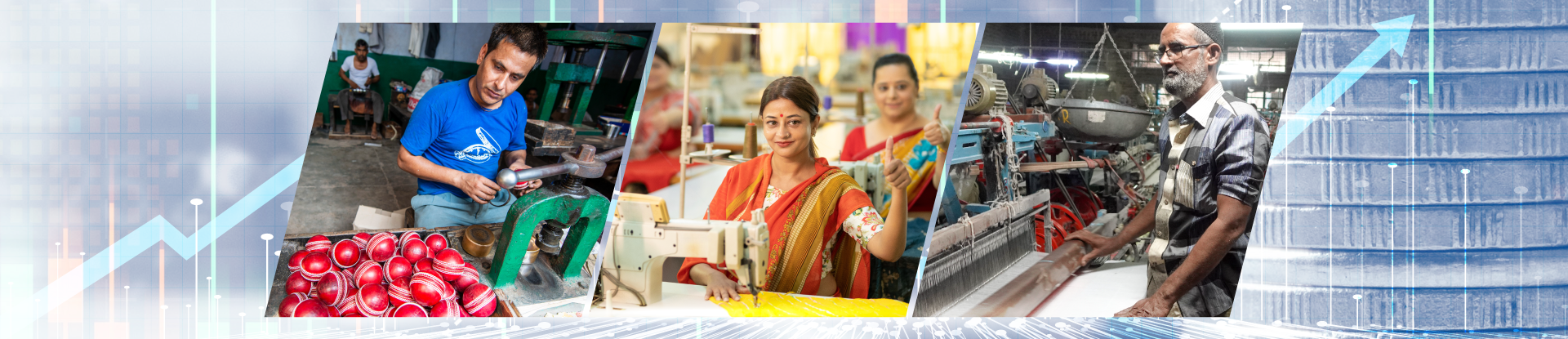
The Next Chapter for Indian MSMEs
India’s Micro, Small and Medium Enterprises (MSMEs) sector has long been the backbone of the economy. From small family-run businesses and kirana stores to emerging digital-first enterprises, MSMEs have traditionally focused on survival amid economic uncertainties. On International MSME Day 2026, the sector finds itself at a defining inflection point.…

State Finances in Transition: Deficits, Debt, and Fiscal Space
State governments anchor India’s fiscal architecture, with combined expenditure exceeding the Centre’s. Their fiscal position has a direct bearing on development outcomes, macroeconomic stability, and cooperative federalism. After the pandemic-induced spike in fiscal deficit (around 4.1 per cent of GDP in 2020–21), states consolidated, with deficits falling below 3 per…
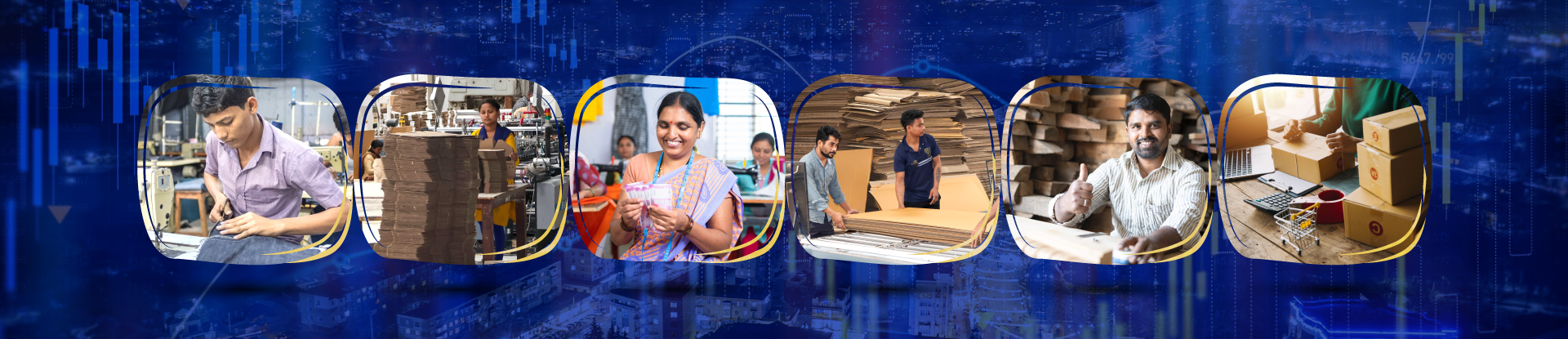
MSMEs: Driving India’s Next Phase of Growth and Global Competitiveness
Micro, Small and Medium Enterprises (MSMEs) continue to be one of the strongest pillars of India’s economy, contributing nearly one-third of the country’s GDP, accounting for almost 50 percent of exports, and generating employment for over 380 million people. The expanding footprint of MSMEs is further reflected in the more…

Healthy Ageing, Healthy Economy: Why Yoga Matters for India’s Future
As economies across the world grapple with ageing populations, rising healthcare expenditure and the growing burden of chronic disease, a defining policy question is emerging: how can nations extend not merely lifespan, but health span, the years lived in good health, independence and dignity? India’s population aged 60 years and…

Women in STEM – Powering Inclusive Innovation for India’s Technology Future
The global economy is being reshaped by rapid advances in artificial intelligence, semiconductors, biotechnology, advanced manufacturing, quantum technologies, and digital innovation. As nations compete to build technology leadership and innovation-driven growth, STEM (Science, Technology, Engineering, and Mathematics) capabilities have emerged as critical determinants of economic competitiveness and national progress. The…

A Decade of Startup India: How Green Entrepreneurs Are Driving Climate Action
Protecting the planet requires collective action from governments, businesses, communities, and individuals, along with a strong shift toward sustainable innovation and responsible consumption. In India, this call to action is particularly significant. Rapid urbanisation, industrialisation, and rising consumption have led to the generation of over 62 million tonnes of waste…