
How India Is Rebuilding Storage as a Core Layer of the Logistics Network
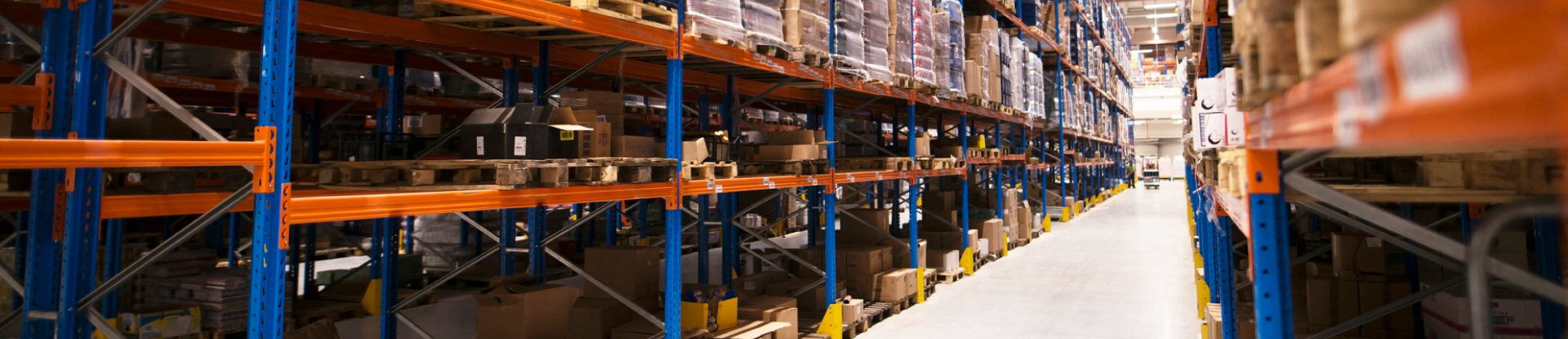
Warehousing has historically developed alongside factories and highways rather than as a distinct layer of India’s infrastructure. That is now changing, as storage is becoming increasingly integrated into the country’s logistics network. A study by the Department for Promotion of Industry and Internal Trade (DPIIT), in collaboration with the National Council of Applied Economic Research (NCAER), places India’s logistics cost at 7.97% of GDP in 2023–24. This is significantly lower than the 13–14% estimates that were widely cited earlier. The changing cost landscape is also drawing greater attention to the role of warehousing in improving supply-chain efficiency, supporting multimodal transport and strengthening India’s logistics infrastructure.
Warehousing Finds Its Place in Policy
Under the National Logistics Policy launched in 2022, logistics parks were identified as one of eight key action areas under the Comprehensive Logistics Action Plan, alongside digital systems, human resource development and export-import (EXIM) logistics. The policy aims to bring India among the top 25 countries in the World Bank’s Logistics Performance Index by 2030.
The PM GatiShakti National Master Plan, launched in 2021, is supporting a more integrated approach to infrastructure planning by bringing together existing and proposed infrastructure across agencies. This includes improving first- and last-mile connectivity and enabling more seamless movement of goods. For warehousing, this shift is significant. Storage facilities are increasingly being planned as part of wider logistics networks, with their location and connectivity considered alongside road, rail, and other transport infrastructure.
Warehouses Built With a Railway Line Attached
The Multi Modal Logistics Park (MMLP) programme under Bharatmala Pariyojana is demonstrating how warehousing is being integrated with broader transport infrastructure. The programme envisages 35 MMLPs across the country, bringing together warehousing and cold storage with rail sidings, container yards and customs facilities to enable more efficient movement between transport modes.
The MMLP at Mappedu in Tamil Nadu, spread across 184.27 acres, is being developed with warehousing infrastructure alongside road and rail connectivity, at an estimated cost of INR 1,424 crore. In April 2025, the MMLP at Nagpur began commercial operations under a public-private partnership. Built at a cost of INR 673 crore, the facility includes bonded warehousing, cold storage and customs facilities. Its first rake carried 123 cars from Farukhnagar.
These developments are reflecting a broader shift towards treating warehousing as an integrated component of multimodal logistics infrastructure, rather than as standalone storage capacity.
Making a Warehouse Bankable
Beyond physical capacity and connectivity, warehousing infrastructure also needs mechanisms that improve the reliability and financial usability of stored commodities. The Warehousing Development and Regulatory Authority (WDRA), established under the Warehousing (Development and Regulation) Act, 2007, is playing a role in strengthening these standards.
Commodities stored in WDRA-registered warehouses are subject to prescribed standards for storage, inspection and insurance. The system also enables the issuance of electronic negotiable warehouse receipts (e-NWRs), which can be used by depositors to access institutional credit against stored commodities. This can reduce the need for immediate sale of produce and provide greater flexibility in managing inventory and market timing.
Government entities, including the Food Corporation of India and NAFED, are also using WDRA-registered warehouses for the storage of central pool stocks. Such measures are supporting wider adoption of regulated warehousing standards and strengthening the role of storage infrastructure within India’s agricultural and logistics ecosystem.
Warehousing Enters the City Plan
The shift is also extending into urban logistics planning. Under the Strengthening Multimodal and Integrated Logistics Ecosystem (SMILE) programme, launched across eight pilot cities in 2025, logistics infrastructure is being mapped alongside urban transport networks and land-use planning. This approach is bringing warehousing and other freight infrastructure into broader city-level logistics planning.
As India works towards lower logistics costs and its goal of ranking among the top 25 countries in the World Bank’s Logistics Performance Index by 2030, the role of warehousing is becoming increasingly significant. Integrating storage capacity with road, rail and other freight infrastructure can support more efficient supply chains, improve cargo movement and strengthen the overall logistics ecosystem.
Latest Post
Linfluence grandissante des plateformes digitales comme betify sur lavenir des paris sportifs
Linfluence grandissante des plateformes digitales comme betify sur lavenir des...
Read MoreEssential factors impacting outcomes from pacific spin require careful consideration
Essential factors impacting outcomes from pacific spin require careful consideration...
Read MoreIntrépide parcours à travers chicken road 2, esquivez les véhicules et accumulez des bonus sans attendre
Intrépide parcours à travers chicken road 2, esquivez les véhicules...
Read MoreGemütliche Übernachtungen und https://zur-suelzburg.de für entspannte Familienmomente
Gemütliche Übernachtungen und https://zur-suelzburg.de für entspannte Familienmomente Die vielfältigen Unterkunftsmöglichkeiten...
Read MoreDetailed insights and susuakibolg.com empower effective resource management today
Detailed insights and susuakibolg.com empower effective resource management today Understanding...
Read More