
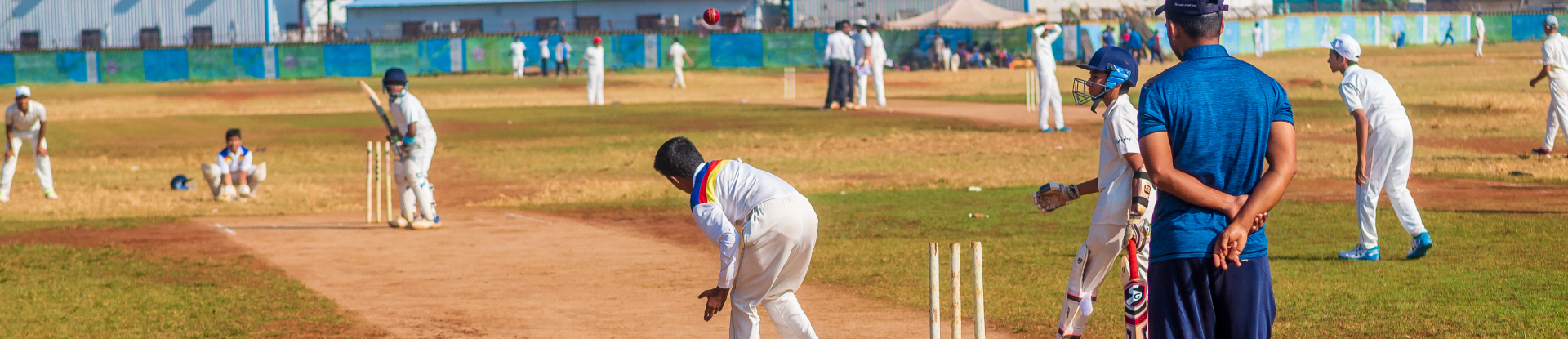
Sports are no longer viewed as a leisure activity but as a low-cost, high-impact tool for broader social and economic change. Today, success in sport is not just measured by medals but rests on five key outcomes: physical well-being, mental well-being, individual development, social and community development, and economic development.
A Community Binder
For the longest time, sport in India has been a community binder. Games such as cricket have brought communities together, with people celebrating wins and losses alike. The recent achievement of Mirabai Chanu at the Commonwealth Games has also brought much-needed attention to the northeastern state of Manipur, which has consistently shown great promise in sport. This cultural role of sport makes it important for policymakers to treat sport as infrastructure rather than a pastime, and it is this shift that underpins the scale of recent Government investment.
Khelo India
The budget allocation for the Ministry of Youth Affairs and Sports has increased significantly, from INR 4.66 Bn in 2004–05 to INR 33.9732 Bn in 2023–24. Building on this momentum, the Khelo India scheme, the Government’s flagship national sports development programme, has received a combined outlay of INR 364.41 Bn for 2026–27 to 2030–31. This is nearly eight times the outlay of the previous Khelo India scheme and reflects the growing focus on sports infrastructure, talent development and youth participation.
The increased allocation is supporting a broader approach to sports development, with the potential to strengthen sporting opportunities and create pathways for young athletes across the country.
The scheme aims to create a pathway for talented young Indians, from school- and community-level sport to high-performance competition, while expanding access to sporting opportunities across geographies and socioeconomic backgrounds.
This approach aligns with Khelo Bharat Niti 2025 and the National Education Policy 2020, both of which integrate sport with education, fitness, technology and high-performance training. Together, these frameworks are supporting a broader foundation for India’s long-term sporting ambitions, including preparations for the 2030 Commonwealth Games and the country’s bid to host the Olympic and Paralympic Games.
Gender Inclusivity and Social Integration
Sport plays an important role in supporting physical and mental well-being while also contributing to social integration and active citizenship. Participation in sport can help develop leadership, teamwork and resilience, including the ability to manage both success and setbacks.
Sport can also contribute to greater gender inclusion by creating opportunities for women and girls to participate, compete and develop confidence and leadership skills. Government initiatives such as Khelo India are placing greater emphasis on expanding opportunities for women athletes and para-athletes, helping widen participation and access to sporting pathways.
Industry Engagement
Sport can serve as a low-cost, high-impact avenue for addressing social and economic challenges. India’s development priorities, from rural employment to community well-being, can be supported through sports programmes that leverage public-private partnerships and data-driven planning. Community-focused sports programmes can improve access in rural areas, encourage participation across communities and contribute to the development of local infrastructure. The use of locally available resources can also make community-level sport relatively cost-effective while creating wider social and economic benefits.
Delivering sports development at scale requires stronger support systems. A National Coach Educational Board is being established to standardise coaching qualifications, raise professional standards and strengthen the capacity of coaches and support staff across the country. Industry can also contribute to the development of integrated digital sports infrastructure covering athlete databases, competitions, coaching resources, talent assessment, funding and Fit India participation. Such infrastructure can support data-driven planning, greater transparency and more personalised athlete development. Investment and expertise from industry, private academies, corporate partners and other institutions can complement Government efforts in sports infrastructure, talent development, and athlete support.
Public-private collaboration can also support the development of sport tourism and sports infrastructure. Hosting sporting events can help states and local economies attract visitors, increase demand for hospitality and related services, and generate wider economic activity. Collaborative models between Government and private developers can support investment in facilities such as stadium complexes and sports institutions, creating assets that serve as community hubs while contributing to local economic development.
Way Forward
Taken together, sport’s role in community development and growing industry investment can contribute to economic activity, including employment and output. The focus is also increasingly shifting from measuring participation alone to assessing longer-term outcomes, creating a need for stronger platforms and networks that can identify, evaluate and scale effective approaches across India’s diverse regions.
Investment in accessible sporting opportunities can contribute to a healthier, more inclusive and economically resilient society, while strengthening the wider ecosystem around sports, talent development and community participation.
Latest Post
Considerable benefits using 1win for mobile gaming and casino experiences
Considerable benefits using 1win for mobile gaming and casino experiences...
Read MorePolitical events forecasting with kalshi offers unique insights into future outcomes
Political events forecasting with kalshi offers unique insights into future...
Read More